Eleven years ago, I anchored my last episode of Squawk Box on CNBC Asia, stepping full-time into the world of media training in Singapore. It’s been an incredible journey. I’ve had the privilege of working with people at the very top of their fields and helping them with one small but critical part of their professional lives: how to tell their stories.
Yet even the most seasoned executives can stumble when the cameras roll. After years of training leaders across Asia, I’ve noticed a pattern of media interview mistakes which are all entirely fixable, with the right approach.
Here are five of the most common missteps, and how you can avoid them.
1. Playing it too safe with generic answers and delivering the corporate brochure
Many Singapore executives pride themselves on being measured and diplomatic. While that’s wise for governance, it can lead to interviews filled with broad, cautious statements that say very little.
The problem? Journalists are fishing for fresh insights — not the same “we’re cautiously optimistic about the region” lines they’ve heard a hundred times. If they wanted a corporate brochure, they could pull it off your website.
✅ How to fix it:
Prepare one unique perspective tied to your company’s mission or your personal leadership view. It could be how your team is solving a niche problem, or a lesson from a recent challenge. Specifics stand out. Tell stories!
2. Overloading with data and jargon
I’ve seen interviews where executives deliver long, technical responses that simply won’t land on TV or social clips. Worse, acronyms specific to your industry will go over most people’s heads.
✅ How to fix it:
Use one powerful data point, then pivot to a story or example.
“We’ve grown our SME portfolio by 30% this year — that’s hundreds of local businesses we’ve helped hire and expand.”
3. Not preparing for tough Q&A
Many leaders believe their instinct and depth of knowledge will carry them. Admirable — but it rarely holds up under sharp questioning, especially if the topic turns controversial.
When you’re blindsided by a pointed question about layoffs or regulatory fines, stumbling or freezing becomes a headline in itself.
✅ How to fix it:
Rehearse bridging techniques — ways to respectfully address a question, then steer to your core message.
I like to call it the ATM method: Acknowledge, Transition, Message.
For example, if someone asks for your opinion on a certain political leader:
Acknowledge: “That topic is certainly generating a lot of headlines right now.”
Transition: “Here’s what I can tell you from my desk.”
Message: “We focus on keeping clients safe, no matter which party or administration is in charge. That strategy has worked well, delivering X returns over two decades. We’re proud of our focus and our results.”
Don’t take the bait and never stray outside of your area of expertise.
4. Neglecting body language and vocal energy
Here’s a subtle truth: many Singapore executives come across as serious and reserved on camera — sometimes even flat. That might signal diligence in a boardroom, but in media, it risks looking unengaged or defensive.
✅ How to fix it:
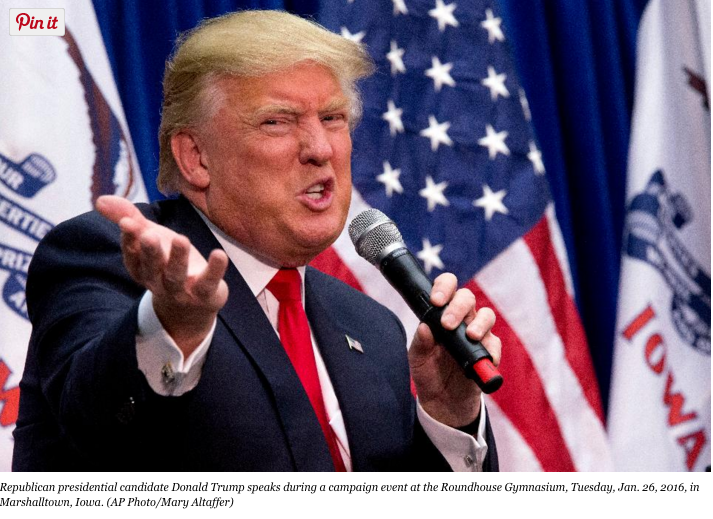
Use open hand gestures, lean slightly forward to show engagement, and vary your pitch. A slight smile, when appropriate, instantly boosts your approachability on screen.
Here’s an explanation of how a simple change in posture can boost your credibility: https://www.youtube.com/watch?v=G51nSpcwOeI
5. Forgetting to land on a headline takeaway
A strong close often makes the difference between a forgettable interview and one that shapes the narrative. Too many speakers trail off, or simply thank the interviewer.
✅ How to fix it:
Have a clear wrap-up line ready. Something like:
“AI will turn raw data into real-time decisions. In finance, that’s the difference between spotting a risk and losing millions.”
That’s the soundbite that gets clipped for social media or quoted in print.
Ready to be the spokesperson your brand deserves?
At Oake Media, we specialise in helping Singapore’s financial and corporate leaders become clear, confident communicators — whether it’s for a live CNBC interview or your next all-hands town hall.
Want to explore a tailored program for your team? Contact us here to learn how we can help.