By Lisa Oake | Oake Media
Great communication isn’t just about knowing what to say. It’s about knowing when to listen, when to trust others and how to connect with people authentically.
I’ve spent much of my professional life studying what makes people successful.
As a former CNBC anchor and journalist, and now a media trainer and strategic communications advisor, I’ve interviewed and worked with countless business leaders. I’ve also sought insights from authors such as Dale Carnegie and motivational speakers like Tony Robbins.
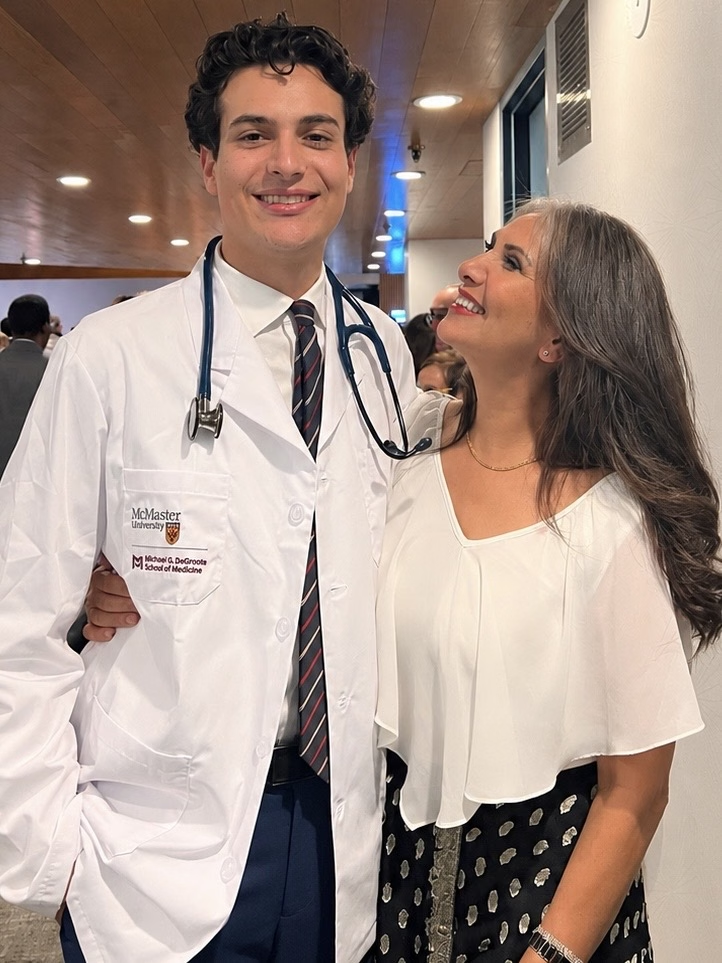
But attending my youngest son’s white coat ceremony at McMaster University’s School of Medicine recently reminded me that some of my most valuable lessons about leadership and communication have come from my two sons.
And many of those lessons are directly relevant to the executives I work with through Oake Media.
1. Effective Leadership Communication Begins With Trust
When my sons were teenagers, I often wanted to steer them towards decisions I believed would serve them best.
After all, I had years of experience they could learn from. Why repeat mistakes I’d already made?
But they pushed back, and I’m glad they did.
From choosing universities to making important life decisions, they taught me that trusting someone else’s judgment—even when you might have chosen differently—is an important part of leadership.
The same principle applies to executive communication and media training.
Some executives approach interviews believing they must control every aspect of the conversation. They rehearse answers so rigidly that they struggle to respond naturally when a journalist asks an unexpected question.
But effective media communication isn’t about controlling every word. It’s about having sufficient confidence in your preparation, your knowledge and your judgment to engage in a genuine conversation.
The most compelling business leaders are often those who can communicate clearly without sounding scripted.
The media training lesson: Preparation creates confidence. Confidence allows authenticity.
2. Confidence Grows in the Right Environment
Watching my sons and their close friends celebrate each other’s achievements and offer support during difficult times has sometimes brought tears to my eyes.
They’ve reminded me how much the people around us influence our confidence, resilience and willingness to take risks.
This is particularly relevant to executive presence and public speaking.
I’ve worked with accomplished professionals who are exceptionally knowledgeable in their fields but become uncomfortable the moment a camera is switched on.
Sometimes, the issue isn’t a lack of communication skills. It’s a fear of judgment.
They worry about saying the wrong thing, appearing foolish or failing to meet expectations.
One of the most important aspects of effective media training is creating an environment where executives can practise, make mistakes, receive constructive feedback and develop confidence.
The goal isn’t to turn everyone into a polished television presenter.
It’s to help people become the most confident, credible and compelling version of themselves.
The media training lesson: Confidence develops through preparation, practice and constructive feedback—not criticism or perfectionism.
3. Powerful Communicators Know When to Give People Space
Both of my sons spent considerable time behind closed bedroom doors playing video games between the ages of 13 and 16.
At the time, I wondered whether they should be doing something more productive.
But they emerged as thoughtful, articulate young men.
Not every quiet period is wasted time. Sometimes, people need the freedom to develop at their own pace.
I’ve come to appreciate that silence can also be an extraordinarily powerful communication tool.
During my years as a CNBC journalist, I learned that some of the most revealing moments in an interview occurred when I resisted the temptation to fill a pause.
An interviewee would finish answering a question. Rather than immediately moving to the next one, I would sometimes wait.
Often, they would continue speaking—and reveal something far more interesting.
Today, when coaching executives for media interviews, I encourage them to become more comfortable with pauses.
A moment of silence can communicate confidence, thoughtfulness and composure.
It also gives an executive time to consider a difficult question rather than rushing into an answer they may later regret.
The media training lesson: Effective communication is as much about listening and thoughtful pauses as it is about speaking.
4. Authentic Connection Requires Your Full Attention
My sons still prefer physical books to Kindles, iPads and audiobooks.
After years of consuming almost everything electronically, I decided to follow their example this summer.
They were right.
There’s something wonderful about turning actual pages and becoming absorbed in a book without another notification competing for your attention.
That experience reminded me of something increasingly important in today’s business environment: the value of being fully present.
Whether you’re delivering a keynote presentation, addressing employees, participating in a panel discussion or responding to a journalist, your audience can usually tell when you’re genuinely engaged.
Executives sometimes become so focused on remembering their talking points that they stop listening to the questions they’re being asked.
The result can be an interview that feels rehearsed, defensive or disconnected.
Strong leadership communication requires more than delivering key messages. It requires presence, curiosity and the ability to respond to the person in front of you.
The media training lesson: The most persuasive communicators aren’t necessarily the most polished. They’re often the most present.
The Best Leaders Never Stop Learning
Perhaps the biggest lesson my sons have taught me is that wisdom doesn’t always flow from one generation to the next.
Sometimes, it travels in the opposite direction.
And that’s something I believe every business leader should remember.
We spend considerable time developing our expertise, building our careers and refining our professional skills.
But experience can sometimes make us less receptive to new perspectives.
The executives who impress me most aren’t necessarily those with the most impressive titles or the longest résumés.
They’re the ones who remain curious, open to feedback and willing to learn.
These qualities are fundamental to effective leadership, executive presence and strategic communication.
And they’re qualities that can be developed.
Developing Your Executive Communication Skills
At Oake Media, I draw on 16 years of experience as a CNBC Asia anchor, journalist and producer to help executives communicate with confidence, credibility and authenticity.
Through tailored executive media training, presentation skills coaching and strategic communications advisory, I work with business leaders to prepare for media interviews, high-stakes presentations and other important communication opportunities.
Because the goal of great communication isn’t simply to deliver a message.
It’s to make a meaningful connection.
Learn more about executive media training and communications coaching at www.oakemedia.com.